
As residents of Lino Lakes, Minnesota, it’s essential to stay informed about national economic trends that can influence our local economy. Recent developments have highlighted key areas of concern and action.
Inflation and Consumer Sentiment
Inflation has been a significant topic, with the International Monetary Fund (IMF) noting a “buoyant” U.S. economy but warning of risks from rising debt and tariffs. The IMF projects U.S. gross domestic product growth at 2.4% in the fourth quarter of 2026, up from 2.2% the previous year. Unemployment is expected to drop to 4.1% in 2026, with inflation falling to the Federal Reserve’s 2% target by 2027. However, the IMF cautions that federal budget debts represent a growing stability risk.
Federal Reserve’s Monetary Policy
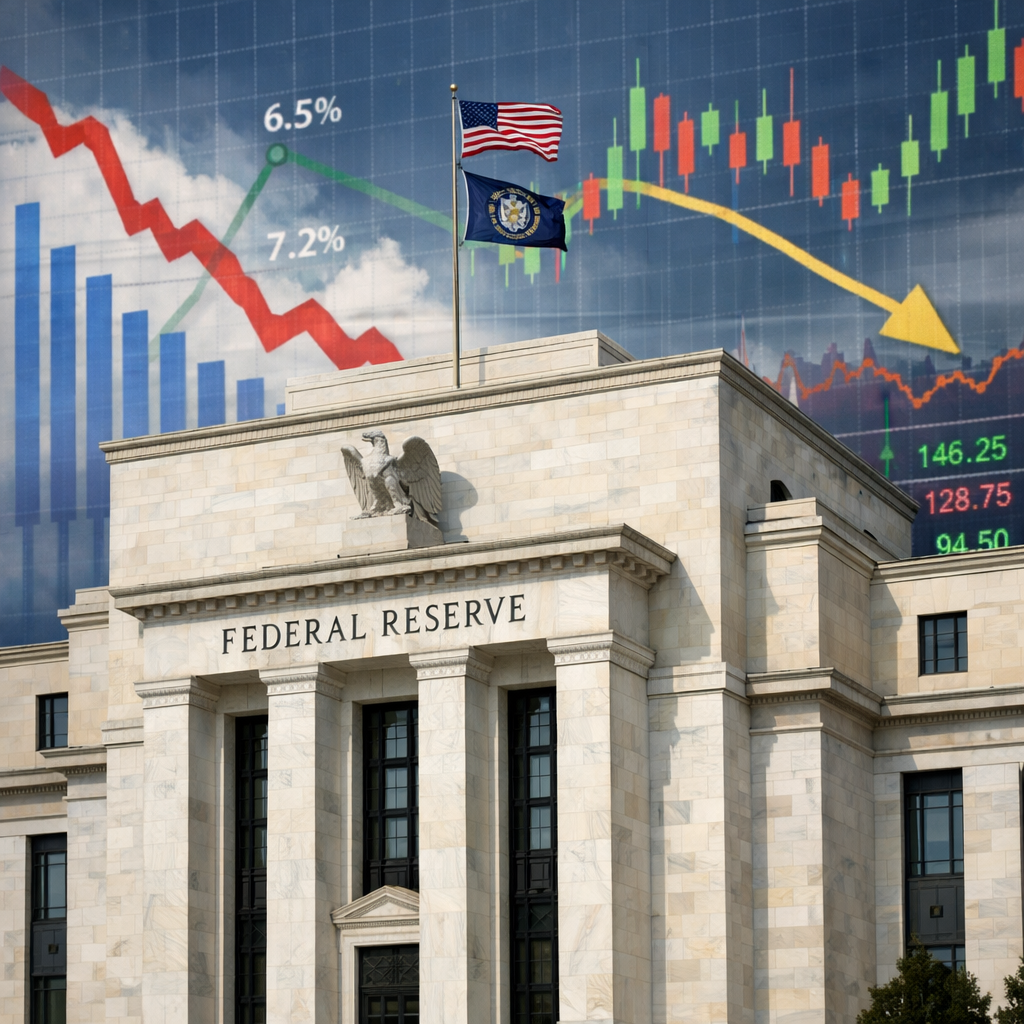
The Federal Reserve has been actively managing monetary policy to address economic challenges. The IMF suggests that the Fed, which cut its benchmark interest rate three times in 2025, could afford to push it down to around 3.4% from 3.6% currently. However, it should hold off on deeper cuts barring a “material worsening” in the American job market.
Implications for Lino Lakes Residents
These national economic trends can have direct and indirect effects on our community. For instance, changes in interest rates may influence mortgage rates, affecting homebuyers and the housing market in Lino Lakes. Additionally, inflationary pressures can impact the cost of goods and services, influencing household budgets.
Staying informed about these developments enables us to make better financial decisions and advocate for policies that support our community’s economic well-being.