

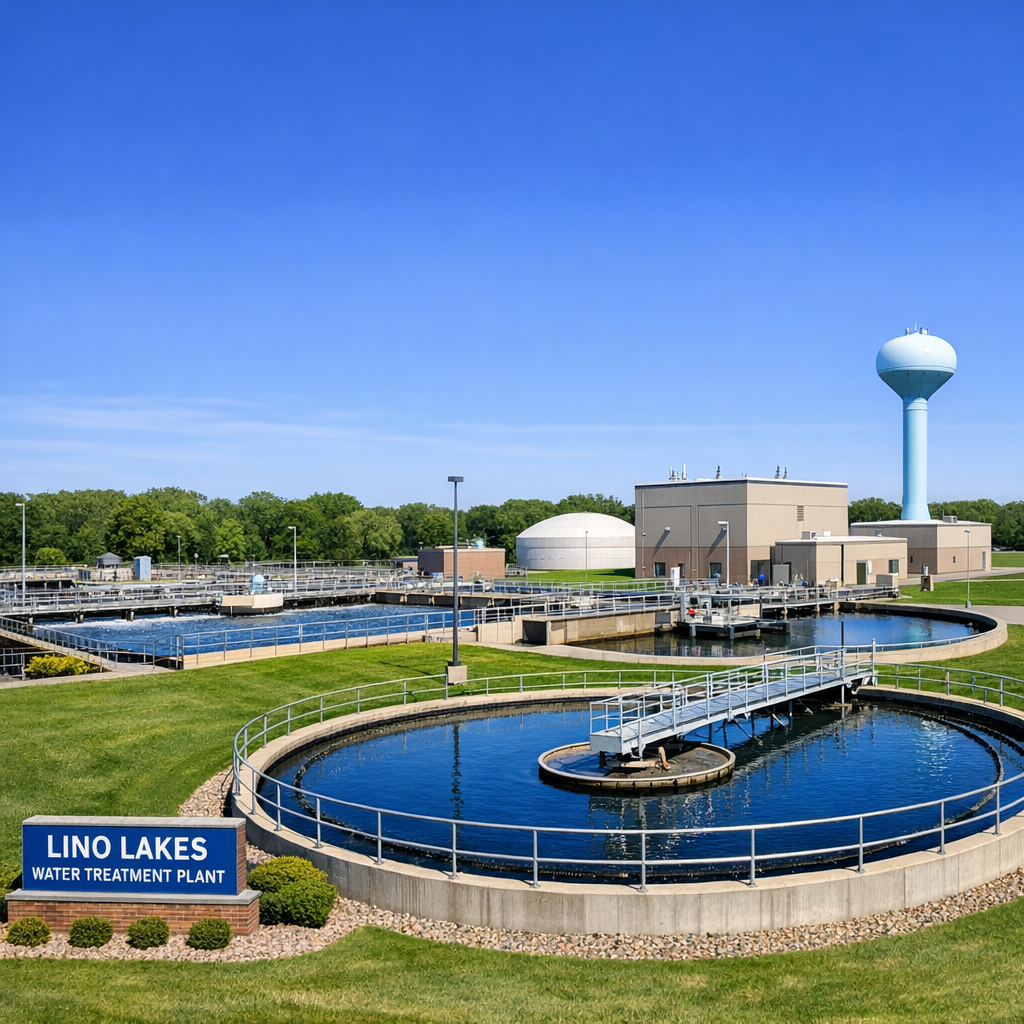
Ensuring the safety and quality of drinking water is a top priority for the City of Lino Lakes. Recent testing by the Minnesota Department of Health (MDH) has identified elevated levels of manganese in some of the city’s wells. While manganese is a naturally occurring element essential for human health, excessive amounts can pose health risks, particularly to infants.
Understanding Manganese in Drinking Water
Manganese is commonly found in Minnesota’s groundwater and surface water. The MDH has established health guidelines for manganese levels:
- For infants consuming tap water or formula made with tap water: safe levels are 100 parts per billion (ppb) or less.
- For infants not consuming tap water or formula made with tap water: safe levels are 300 ppb or less.
- For individuals over one year old: safe levels are 300 ppb or less.
It’s important to note that these are guidelines, not enforceable standards, as manganese is currently unregulated.
City’s Response and Recommendations
The City of Lino Lakes is committed to providing clean and safe drinking water. In response to the MDH findings, the city has taken the following steps:
- Conducting regular testing of all city wells to monitor manganese levels.
- Exploring treatment options to reduce manganese concentrations in the water supply.
- Providing residents with information on manganese and its potential health effects.
Residents are encouraged to take the following actions:
- Review the most recent Water Quality Report available on the city’s website.
- Consider using water filters certified to reduce manganese levels, especially for households with infants.
- Stay informed about updates from the city regarding water quality and any recommended precautions.
For more detailed information and resources, residents can visit the city’s official website or contact the Public Services Department directly.